Minimalism Got Softer in 2026: Here’s What Changed (And Why It Matters)
On 08/02/26 // Fashion
For years, minimalism was a battle against excess. Sharp lines, monochrome palettes, and the cult of the “less is more” mantra. It was an aesthetic philosophy that demanded rigor: a pared-down life mirrored in a pared-down wardrobe.
The ideal was architectural, requiring you to build your existence piece by deliberate piece, piece by agonizingly perfect piece. But in 2026, that rigid framework is softening. The same designers who once championed stark geometry now favor fluidity, and the color palettes that once screamed “black and white” now whisper in butter yellow and sage green.
This isn’t a collapse of minimalism; it’s a quiet, deeply necessary revolution. It is the understanding that true restraint doesn’t mean stark emptiness, but rather, a curated sense of ease.
The Geometry of Letting Go
The old minimalism was a sculpture: angular, unyielding, and built for the eye to stop and examine. It was a discipline, demanding that you appreciate the perfect, clean seam or the flawless drape of a charcoal wool trouser.
Brands like COS defined that era with boxy silhouettes and razor-cut tailoring that felt almost severe, as if they were designed to keep you perfectly contained. The clothing was a declaration of intellectual taste, requiring you to stand straight and look thoughtfully into the distance.
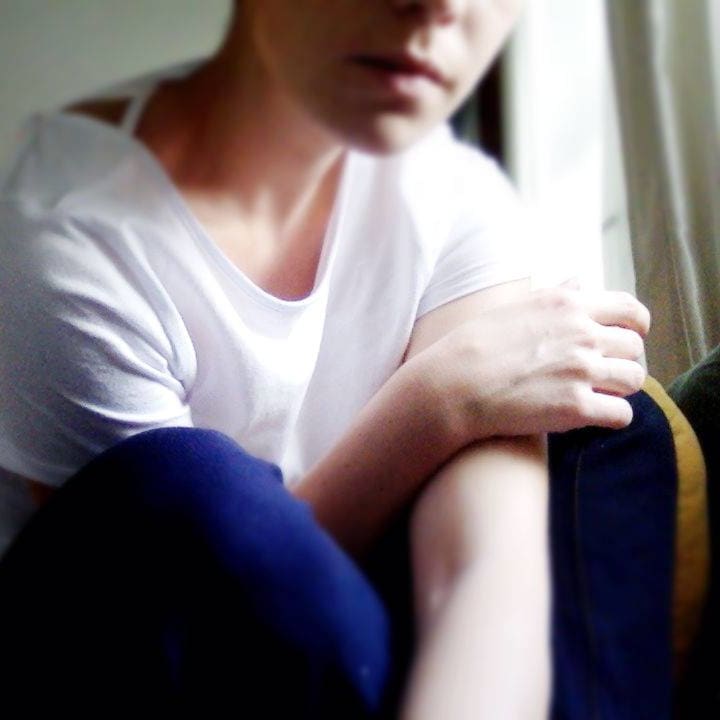
But 2026’s minimalism is more like a watercolor—soft edges, gentle curves, and a focus on the human body’s natural, imperfect flow.
The tailoring hasn’t dissolved entirely, but it has surrendered its rigidity. Consider the unstructured wool blazers from Reformation, which seem to move with you rather than rest upon you, or the bias-cut linen dresses from Sies Marjan, whose pleats ripple with the slightest shift in air.
These pieces don’t demand attention; they invite it. They speak to the body’s inherent grace, suggesting that the most elegant structures are those that bend and breathe with life. The clothes now feel less like armor and more like a second, beautiful skin.
The Color Shift from Monochrome to Moodboard
Where once minimalism was a grayscale meditation—a controlled study of shadow and light—today’s version is a full, autumnal moodboard.
The palette has deepened and widened. Sage green, olive, and butter yellow are no longer outliers or seasonal trends; they are establishing themselves as the new, deeply sophisticated neutrals. These colors carry the quiet sensuality of a well-worn book discovered in a secondhand shop, or the gentle sheen of a sunlit linen curtain billowing in a Mediterranean breeze.
The psychological weight of black and white has lifted, replaced by tones that ground us without draining our vibrancy.
The Row’s 2026 collection, for instance, masterfully blends deep olive-hued wool with soft butter-yellow linen, creating a palette that feels both profoundly restrained and vibrantly alive. This isn’t simply a fashion trend; it is a psychological shift toward comfort without compromise.
We are no longer seeking aesthetic perfection in a vacuum; we are seeking beautiful harmony that acknowledges the warmth and complexity of real life.
Quiet Luxury vs. New Minimalism — The Thin Line Between Austerity and Intimacy
The distinction between quiet luxury and new minimalism is razor-thin, and knowing where you fall on that spectrum can feel like a puzzle.
Both reject overt branding and the need for flashy display. However, they operate on different emotional registers. Quiet luxury often leans into the intensely tactile—the visible quality of the cashmere cashmere, the weight of perfectly brushed Italian wool—signaling wealth through material permanence. It is an exhibition of durable, costly taste.
New minimalism, conversely, prioritizes the ephemeral. It is about the soft knit that catches the light just so, or the fluid trench that seems to dissolve around you. Toteme’s fall 2026 line, for example, uses muted tones and profoundly relaxed tailoring to evoke a sense of intimate sanctuary. Its luxury is one of emotional ease.
Meanwhile, The Row’s designs, while equally immaculate, can feel more like a curated archive—a sense of untouchable, perfected history. The key difference? Quiet luxury is about signaling what you own; new minimalism is about feeling how you are. It is a quieter, more internal affair.
How to Wear Soft Minimalism in Real Life
The most liberating lesson is to stop chasing the “no frills” aesthetic and start chasing the feeling of ease. True soft minimalism is an act of translation: taking the runway’s architectural poetry and making it functional for a Saturday morning trip to the farmers market.
This means opting for soft, buttery knits in sage green, choosing fluid trousers that drape rather than cling, and selecting minimal jewelry that feels less like decoration and more like a second skin.
The goal isn’t to mimic a perfect, highly styled look—it’s to create a wardrobe that feels like a lived-in poem. It is a collection that accommodates the unexpected splash of paint, the sudden burst of laughter, and the comfortable weight of an oversized cardigan.
Brands like Everlane and COS have recognized this shift, offering relaxed, breathable fits that move away from the body’s strict contours. More importantly, the most reliable source for this aesthetic right now might be the pre-loved market; thrift stores are becoming rich veins of forgotten pieces with soft, unstructured silhouettes, ready to be reimagined.
Minimalism’s evolution isn’t a surrender to softness; it is a radical reinvention. The rigid lines that once defined the ideal are gone, replaced by a quiet elegance that understands and embraces the beautiful messiness of real life. It is a shift from perfect display to lived experience. So, stop thinking about curating a museum; dress like you are curating a mood.